Born of the desire to understand the climate crisis from a societal point of view, the project invites the viewer to take a closer look at the aftermath of natural disasters, responses from the far right, youth movements, and immigration policies (or lack of them) surrounding the subject. In Fault Line, the faces and places are immediate—far from the subtle comfort provided by the face of a news anchor or the layout of a webpage, creating an illusion of separation.
Simultaneously man-made and natural, “newsworthy” and actual, actionable and stagnant, international and national, the stories surrounding the climate crisis are nebulous. Due to the nature of the event—the fault line—the wake and mourning are intertwined with a sense of urgency and a flicker of hope. Yet, visual artists Jakob Ganslmeier and Ana Zibelnik choose movement over a freeze-response and, as a result, closeness over a safe distance. In the process, the duo recognises and tackles uncomfortable realities, such as climate denialism and nationalist fearmongering agendas. While the photographs speak for themselves, journal entries and conversations offer a more nuanced view of the societal and political tensions.
Fault Line documents the accelerating rhythm of disasters, which leads to a deepening of polarisation and underlines the pressing need to stay with the question, even when the answers are constantly in flux.
Busra Erkara
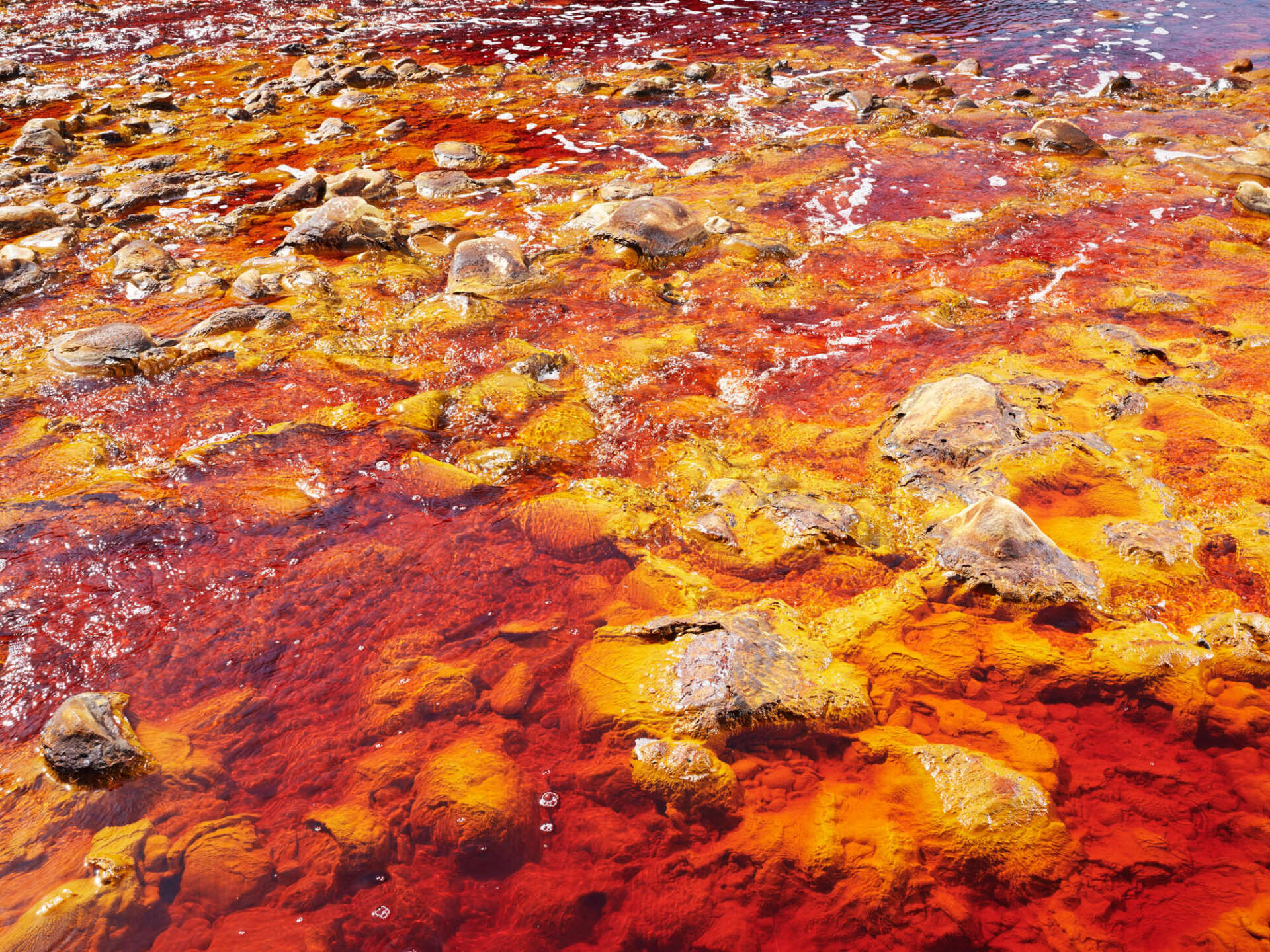
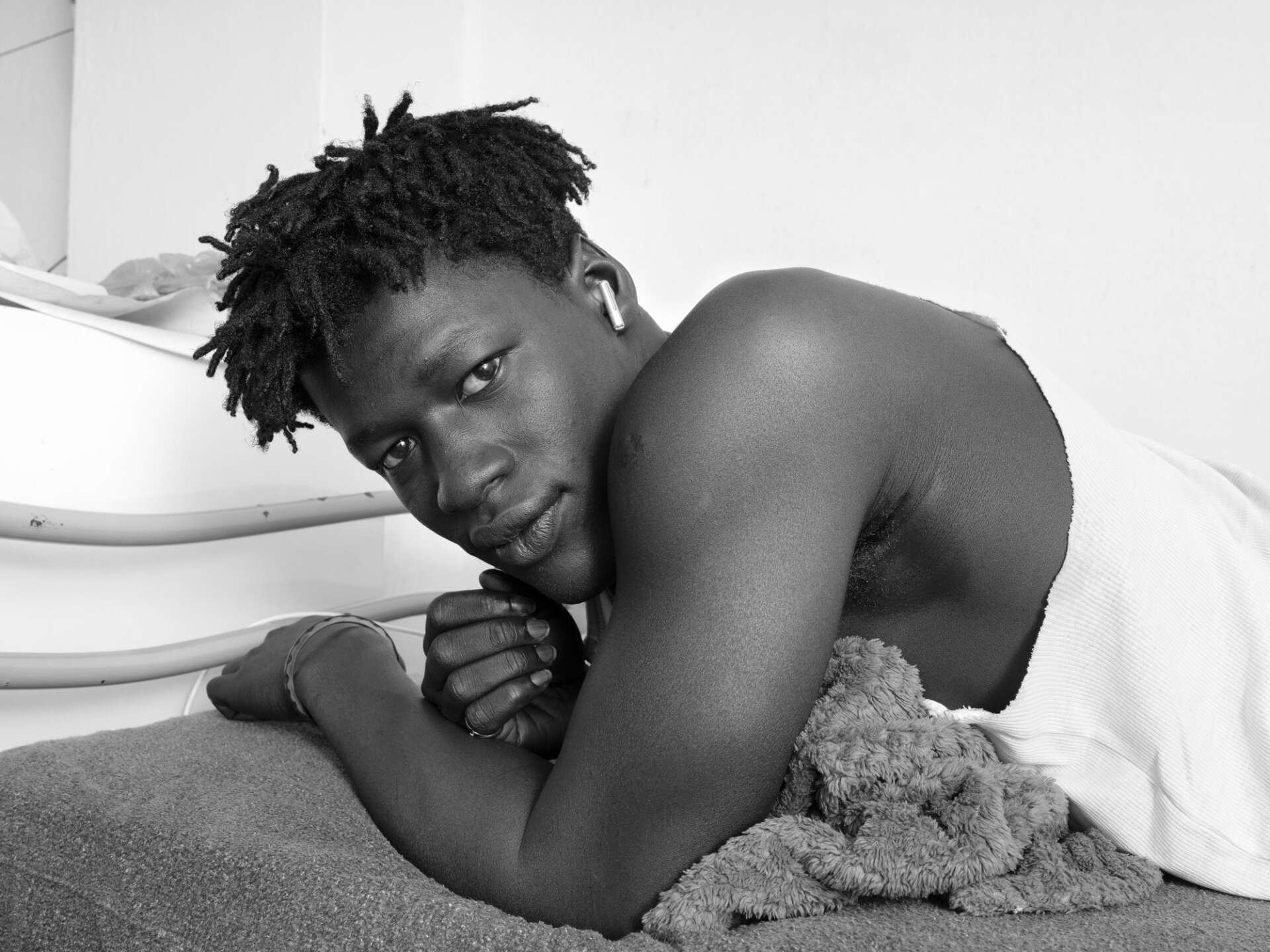
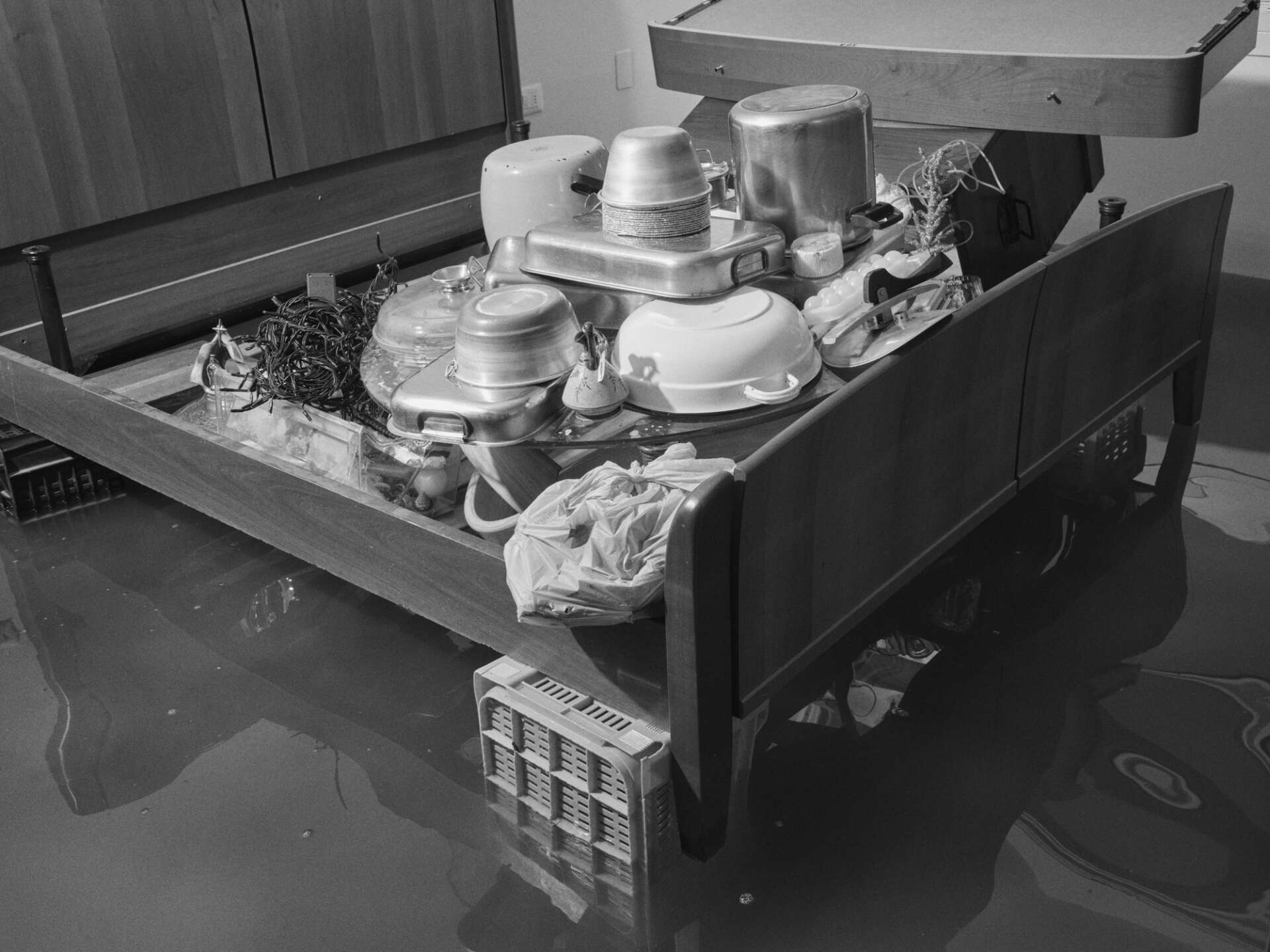


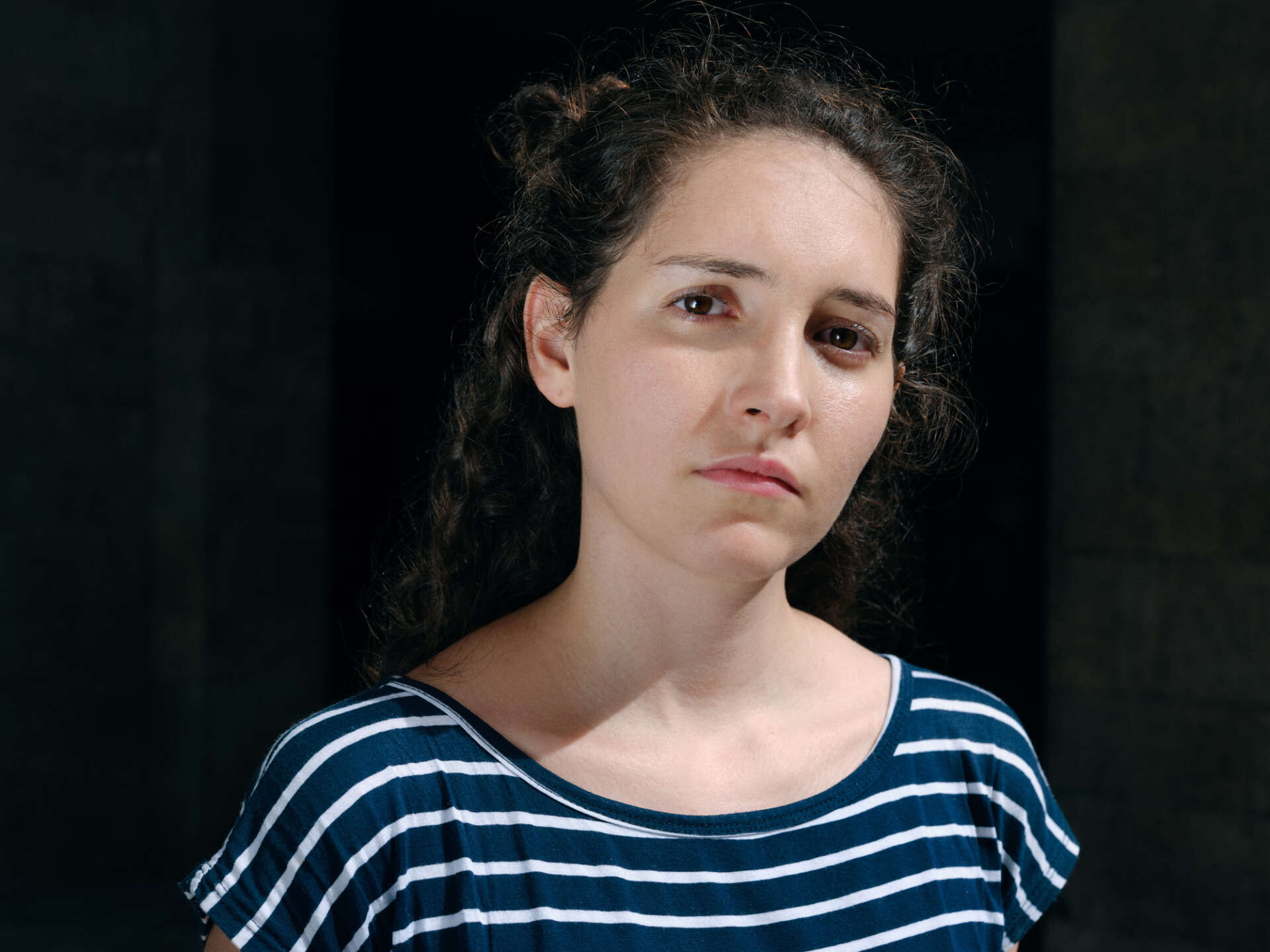
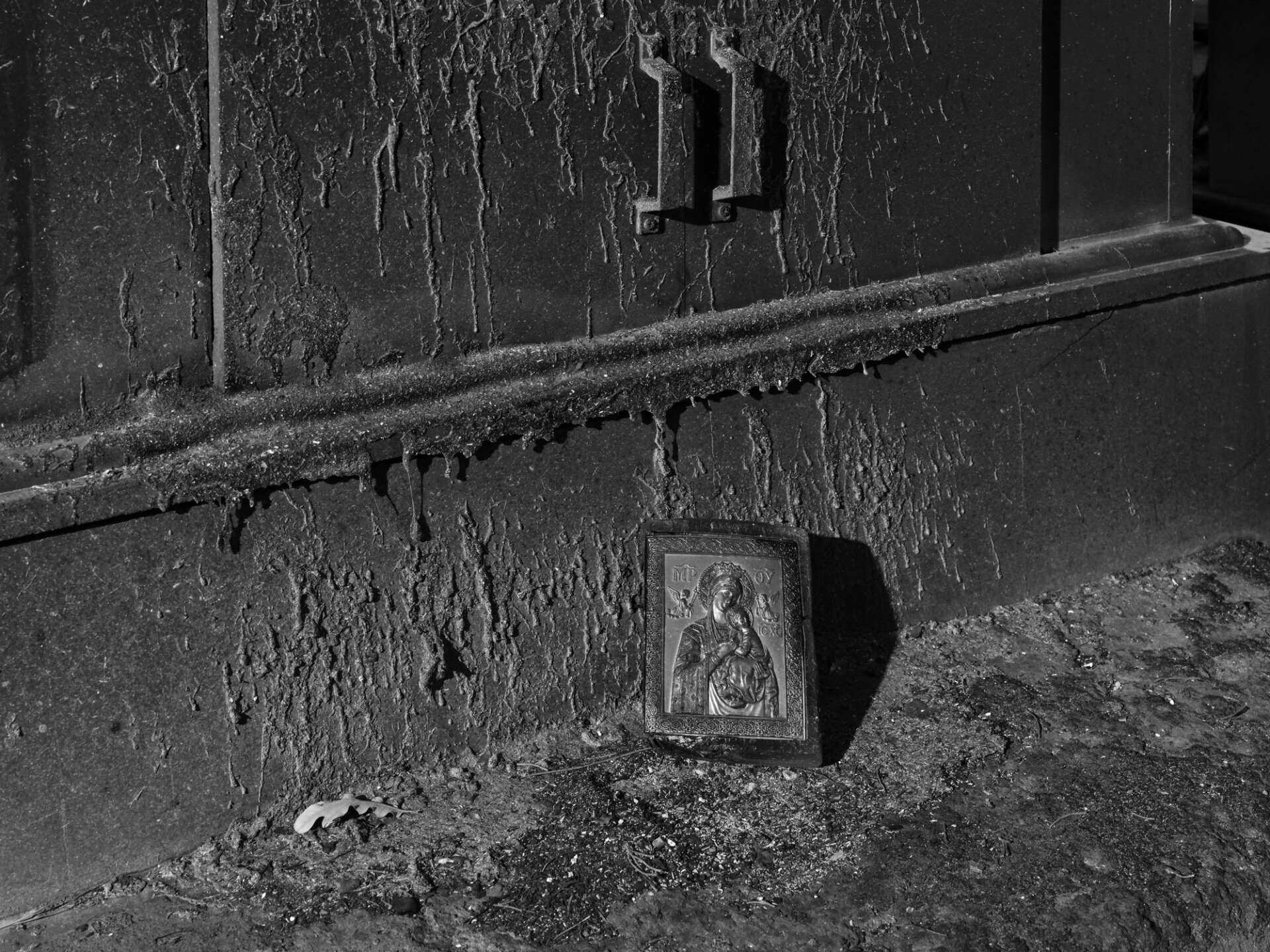


Fault Line offers an in-depth exploration of the climate crisis and its social impact. It’s an artistic project, but also a statement. Zibelnik and Ganslmeier ask critical questions about how the climate crisis affects individual lives and how this contributes to the exacerbation of social and political polarization.
FLOR LINCKENS, Gallery Viewer

Space with a Potentiality for a Shift, Museum of Modern Art, Ljubljana, 2024

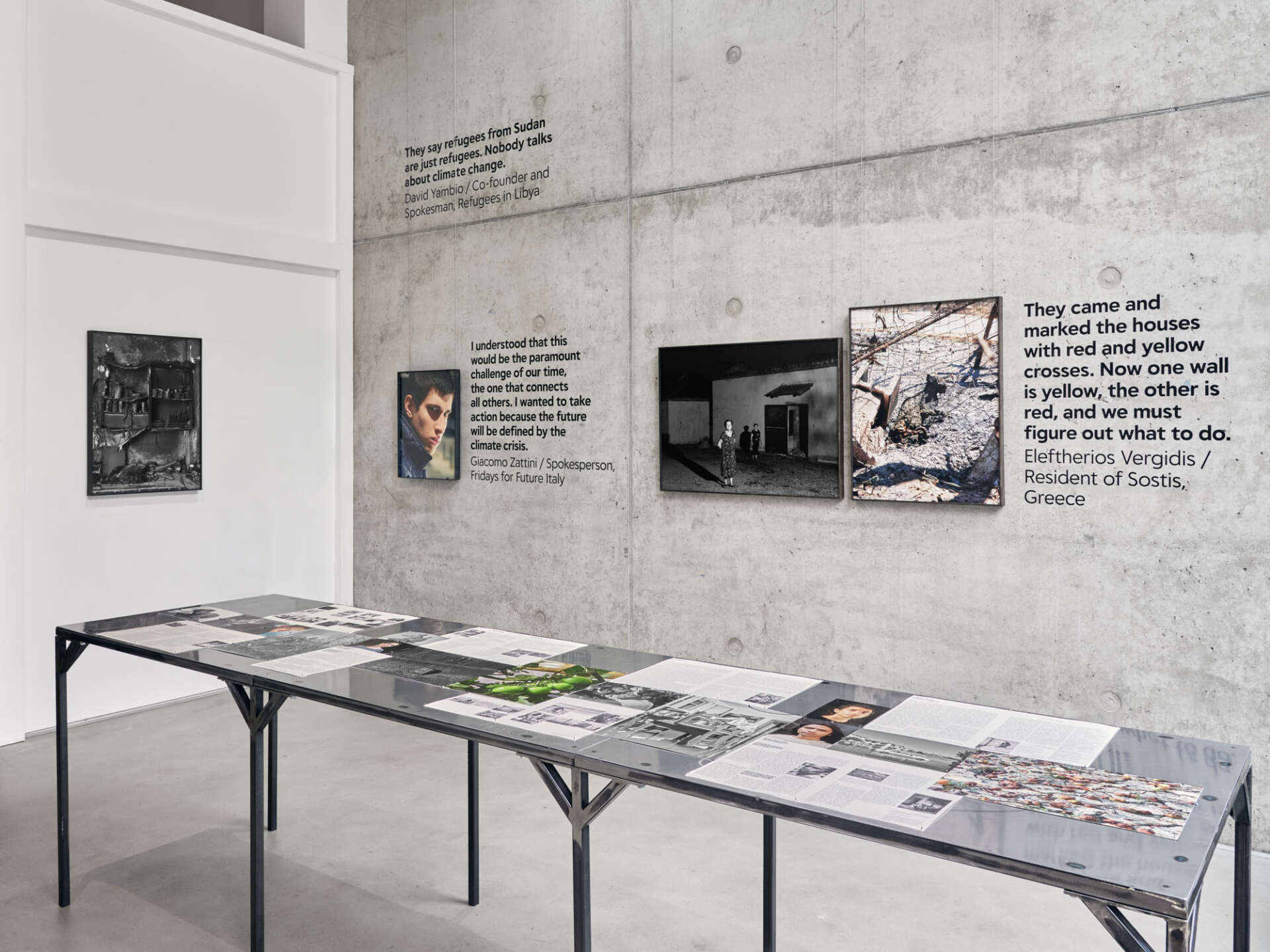
Transience and Memory, Roam Project, Berlin, 2025


Fault Line, Kranj Foto Fest, Kranj, 2024


Fault Line, Art Rotterdam, 2024